



Telehealth Software Development

Telemedicine App Development Company

Video consultations, asynchronous care, remote patient monitoring and e-prescriptions, built HIPAA-ready and connected to the clinical systems your providers already use.

ClinicsHospitalsSpecialistsDigital health startupsPharmacies

Trusted by teams worldwide

Connexate Meshmedia Oaky Setia Haruman Wave Sugar

In short

What is telemedicine app development?

Telemedicine app development is building the apps and platforms that let patients and clinicians meet, share results and manage care remotely. That covers patient apps, clinician portals, video and messaging, scheduling, prescriptions and the integrations behind them.

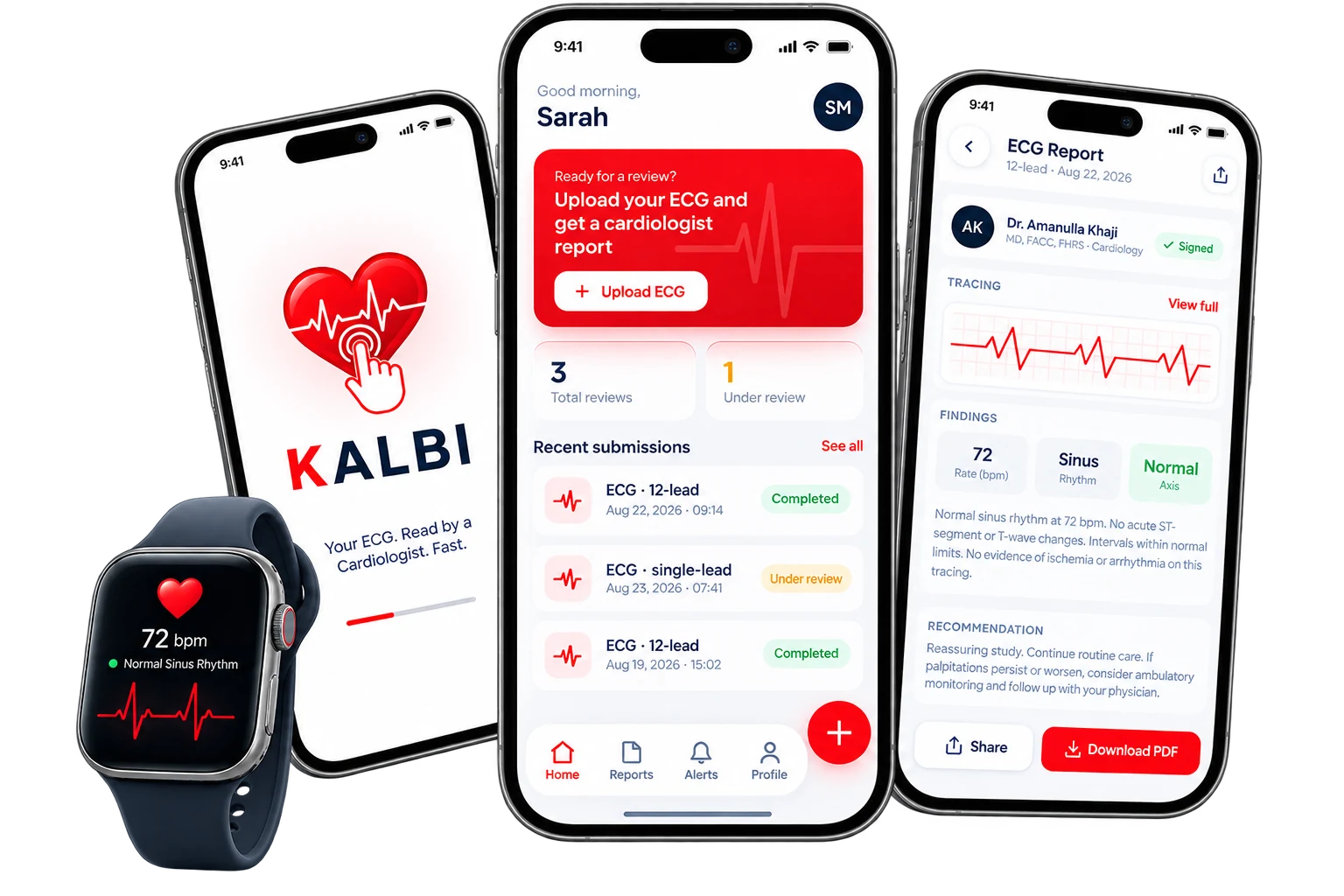
The difference between a demo and a usable telehealth product is clinical workflow and data protection. We built KALBI, where patients upload an ECG and a cardiologist returns a signed report within 24 hours, HIPAA-ready from the first sprint. See also our healthcare software work.

Our Telemedicine App Development Services

Six service lines for virtual care, delivered as one platform or added to what you already run.

Our Services

01 · Service line

Video Consultation Apps

  • Patient and clinician apps for iOS, Android and web
  • Secure video, chat and file sharing during the visit
  • Virtual waiting room and visit notes
  • Works on weak connections with audio fallback
02 · Service line

Asynchronous Care (Store-and-Forward)

  • Patients send photos, ECGs or results for review later
  • Clinician worklists ordered by urgency
  • Signed reports returned to the patient app
  • Proven on KALBI
03 · Service line

Remote Patient Monitoring

  • Readings from blood pressure, glucose and wearable devices
  • Threshold alerts to the care team
  • Trends and adherence dashboards
  • Device apps from our IoT team
04 · Service line

Scheduling & Patient Intake

  • Online booking with provider calendars
  • Digital intake forms and consent
  • Reminders that cut no-shows
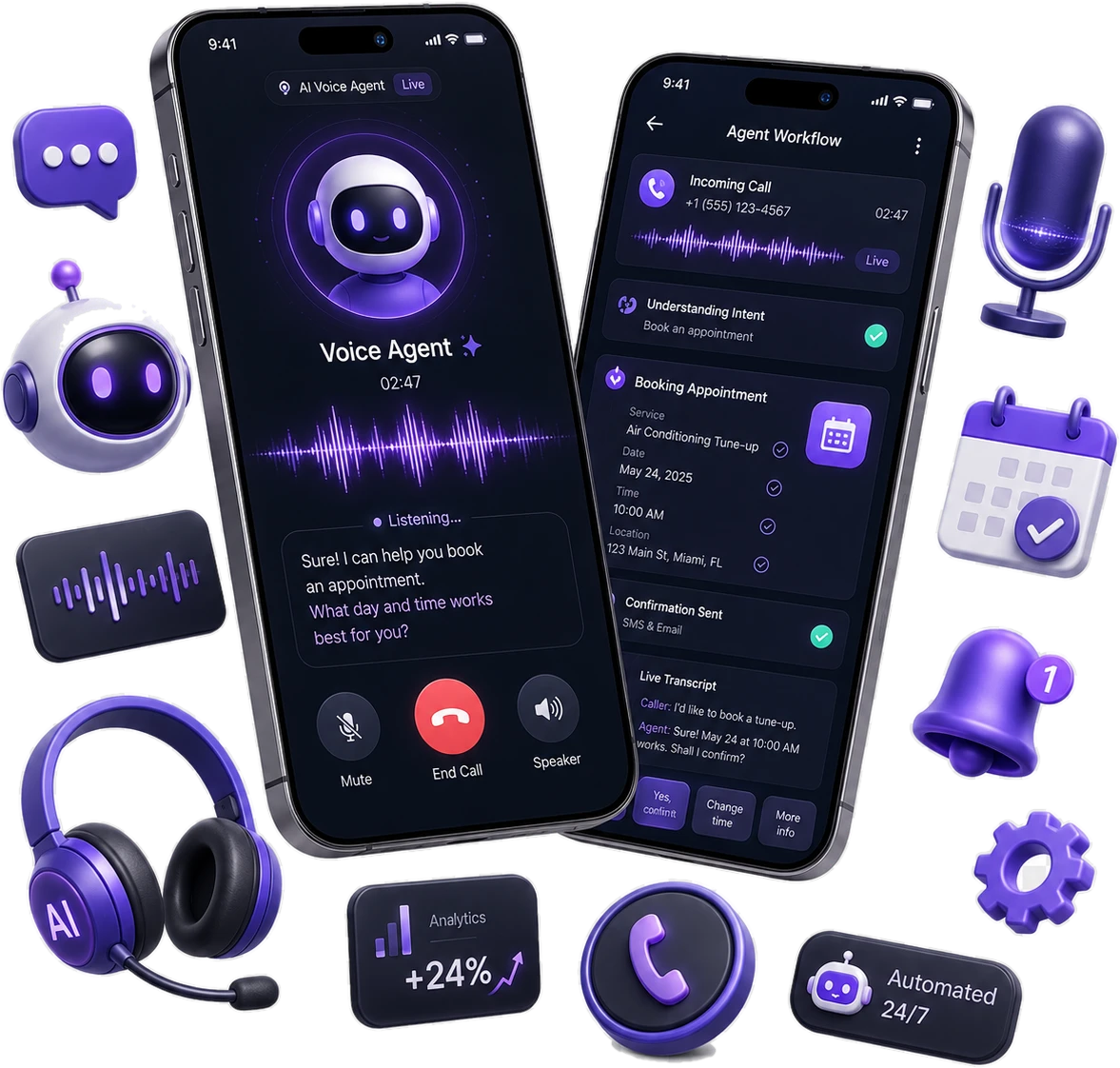
  • AI voice booking with our voice agents
05 · Service line

E-Prescriptions & Pharmacy

  • Digital prescriptions signed by the clinician
  • Pharmacy routing and refill requests
  • Medication reminders for patients
  • Prescription history in the patient record
06 · Service line

EHR Integration & Clinician Portal

  • Integration with EHRs through HL7 FHIR
  • Clinician web portal for queues, notes and reports
  • Lab, imaging and billing connections
  • Audit logs on every access to patient data
Business Case

What Are the Benefits of Telemedicine Apps?

Virtual care works when it removes travel and waiting without adding work for clinicians.

Care without the commute

Patients see a clinician from home, which matters most for follow-ups, rural patients and people with limited mobility.

  • Wider reach
  • Fewer missed follow-ups

Faster specialist access

Asynchronous review lets specialists read results between appointments instead of waiting for a slot.

  • Shorter waits
  • Better use of specialist time

Earlier warnings

Remote monitoring flags worrying readings before they become emergency visits.

  • Threshold alerts
  • Proactive care

More patients per clinician

Digital intake, scheduling and notes remove admin from every visit.

  • Less paperwork
  • More time for care

Telehealth Built for Real Clinics

Clinician worklist
Urgent: chest pain reportedPriority
Routine ECG reviewQueue
Report signed and sentDone
Ordered by clinical urgency

Telemedicine apps fail when they ignore how clinicians work. These are the parts we get right first, as we did for KALBI and our healthcare voice agent.

[1] HIPAA-ready by design

Encryption in transit and at rest, access controls by role, audit logging and BAA-covered cloud services from the first sprint, not retrofitted.

[2] Two products, one record

Patient apps and clinician portals are designed separately for very different users, on one shared backend and patient record.

[3] Clinical workflow first

Worklists by urgency, structured notes and signed reports match how clinicians read and decide.

[4] Integration with existing systems

EHR, lab, pharmacy and billing connections through HL7 FHIR and partner APIs, so care stays in one record.

[5] Accessible for every patient

Large text, simple steps and support for weak connections, because many telehealth patients are not tech-savvy.

[6] Ready for AI features

Symptom intake, triage and voice booking can be added safely. See AI voice agents.

Our Process

How We Deliver Telemedicine Apps, Step by Step

Clinicians review the product every sprint, so it fits their day before launch.

1
Week 1–2

Discovery & Compliance

Care model, clinical workflow, data flows and the compliance requirements for your markets.

2
Week 2–4

UX & Clinical Design

Patient and clinician journeys tested with real staff before development.

3
Week 4–11

Build & Integrate

Apps, portal, video, scheduling and integrations in weekly releases.

4
Week 11–13

Security & Clinical Testing

Penetration testing, access review and pilot use with your clinicians.

5
Launch & after

Launch & Scale

App store release, monitoring, support and new features as you grow.

Why Appther

Why Choose Appther for Telemedicine App Development?

Healthcare software is judged on trust. Here is how we earn it.

Shipped digital health

Telecardiology, healthcare voice agents and wellness apps in production.

  • KALBI telecardiology
  • Healthcare voice AI

Compliance from day one

HIPAA-ready architecture, audit logs and access controls are part of the first sprint.

  • BAA-covered infrastructure
  • Privacy by design

Patient and clinician apps

Native and cross-platform apps plus web portals from one team.

  • iOS, Android and web
  • One shared backend

Your platform, your data

You own the code and patient data stays in infrastructure you control.

  • 100% code ownership
  • ISO 27001 certified delivery
Technologies

The Stack Behind Our Telemedicine Apps

Established tools chosen for reliability, security and clinical integration.

Swift & Kotlin

Native iOS and Android apps when camera, Bluetooth devices or performance demand it.

React Native & Flutter

Cross-platform patient apps from one codebase when speed to market matters.

WebRTC video

Encrypted video and audio visits through proven real-time video platforms.

Node.js & Python

APIs, scheduling, notifications and integration services.

HL7 FHIR

Standard APIs for exchanging patient data with EHRs, labs and other systems.

PostgreSQL & Firebase

Patient records, audit logs and real-time updates.

AWS (BAA-covered)

HIPAA-eligible cloud services with encryption, backups and monitoring.

Cost & Timeline

How Much Does Telemedicine App Development Cost?

Indicative ranges. You get a fixed-price quote after a free scoping call.

Typical scope

Telemedicine MVP

$12K – $30K

10 to 14 weeks

Patient app, clinician portal, booking and secure video or async review for one care model.

Most requested

Full telehealth platform

$30K – $70K

4 to 6 months

Several care models, e-prescriptions, payments, EHR integration and admin dashboards.

Typical scope

Enterprise or hospital platform

From $70K

6+ months

Multi-site rollout, remote monitoring, advanced integrations and AI features.

Ranges exclude third-party video, SMS and cloud fees and any external compliance audit, which we estimate up front.

Use Cases

Telemedicine Use Cases by Care Setting

Virtual care works differently in each setting, so we design for yours.

[01] Specialist Clinics

Remote review and follow-ups for cardiology, dermatology and other specialties.

  • Store-and-forward review
  • Specialist worklists
  • Signed reports
See the KALBI case study ›
[02] Hospitals & Health Systems

Virtual visits, discharge follow-ups and front-desk automation across sites.

  • Discharge follow-ups
  • AI call handling
  • EHR integration
See the healthcare voice agent ›
[03] Mental Health & Wellness

Therapy sessions, check-ins and self-guided programmes on mobile.

  • Video therapy
  • Mood check-ins
  • Guided programmes
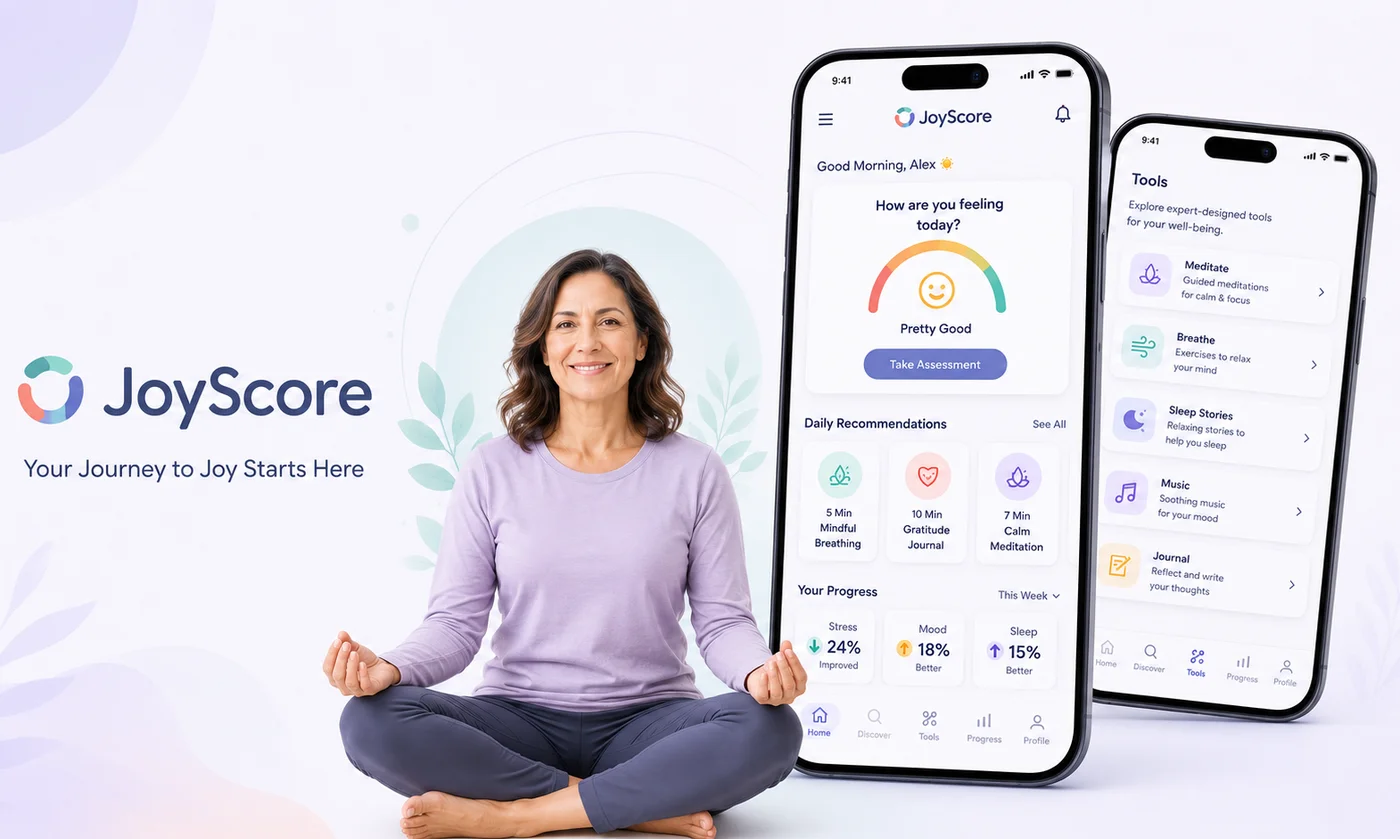
See the JoyScore case study ›
[04] Chronic Care & Remote Monitoring

Ongoing monitoring of blood pressure, glucose and other readings at home.

  • Device data sync
  • Threshold alerts
  • Care team dashboards
Explore IoT app development ›
[05] Digital Health Startups

MVPs that prove a care model quickly, with compliance built in for scale.

  • Investor-ready MVP
  • HIPAA-ready architecture
  • Scale-up roadmap
Explore healthcare software ›
Client Voices

What Clients Say About Working With Appther

“Appther exceeded every expectation, on time and on budget, and the final product has been instrumental in scaling our business. A rare engineering partner.”
Johnathan Peffer
Johnathan PefferCEO · Bull's Eye Technologies Inc
“Rolling out a platform across our operations felt daunting at first, but Appther made the transition seamless. Every department now works off a single source of truth.”
Pushpender Kumar
Pushpender KumarGeneral Manager · A.B. Sugars Ltd
“Appther built our student competition platform exactly the way we envisioned it: easy registration, smooth judging, and real-time results that keep participants engaged.”
Dionna Milem
Dionna MilemOwner · My BOB Team LLC
“Building a mental health product means every detail has to be handled with care, and Appther got that from day one. The product feels warm, simple, and genuinely helpful.”
Bob Singhal
Bob SinghalProfessor of Joy · Joyscore Inc
Latest Insights

Reading on Healthcare Software

Guides from our team on compliance, AI and healthcare apps.

All Articles
Free 30-Minute Telehealth Strategy Call

Planning a Telemedicine App? Let’s Scope It Properly.

Tell us your care model and markets. We will outline the product, the compliance work and a realistic budget.

Care model fit Compliance plan Budget range
Book My Free Call
200+Products delivered
4.9★Clutch rating
ISO 27001Certified security
100%Code and IP yours
FAQ

Telemedicine App Development FAQ

Updated

It is building the apps and platforms for remote care: patient apps, clinician portals, video and messaging, scheduling, prescriptions, remote monitoring and the integrations with EHRs, labs and pharmacies.
A telemedicine MVP for one care model typically costs $12,000 to $30,000. A full telehealth platform usually runs $30,000 to $70,000, and enterprise or hospital platforms start around $70,000.
We build HIPAA-ready: encryption in transit and at rest, role-based access, audit logging and BAA-covered cloud services. Compliance also depends on how your organisation operates the service, so we help you document controls for your own review or audit.
An MVP usually takes 10 to 14 weeks. A full platform with several care models and integrations takes 4 to 6 months.
Yes. We integrate through HL7 FHIR APIs where the EHR supports them, and build custom connectors for proprietary systems, covering patient lookup, scheduling and visit summaries.
Yes. Store-and-forward care, where patients send results for later review, often suits specialists better than live video. Our KALBI app returns a signed cardiologist report within 24 hours.
Yes. We design for low bandwidth with audio fallback, compressed uploads and offline-friendly forms, because many patients do not have reliable connections.
You do. You own 100% of the code, and patient data stays in infrastructure you control under the agreements you choose.
An Engineer Replies Within One Business Day

Let's Build Your Telemedicine App

Tell us your care model, markets and the systems you use. An engineer replies within one business day. Related: healthcare software, AI voice agents.

Free 30-min strategy callScoping and honest, practical advice.
Fixed-price quoteDetailed scope and price after discovery, no surprises.
NDA on requestYour idea and code always stay yours.
Prefer to talk now?+91 99114 32288 · info@appther.com

Book Your Free Strategy Call

Fields marked * are required. We reply within one business day.

🔒 Your details are never shared. NDA available on request.