Odoo Development
& ERP Implementation Services

Appther is an Odoo development company for mid-market businesses. Our Odoo development services cover consulting, ERP implementation, custom modules, integration, migration, upgrades, AI inside Odoo and SLA-backed support, from one accountable team on a fixed-price scope agreed before development starts, with delivery from our Odoo team in the USA.

Trusted by teams worldwide

ConnexateDabbleJoyscoreMeshmediaOakySetia HarumanAmity UniversityStatusNeoSnapdealAxis Bank

Odoo consulting, implementation, custom development, integration, migration, upgrades and support, delivered by one accountable team. Book a free consultation and you get a scoped, fixed-price proposal.

200+
Projects delivered
4.9 / 5
Client rating on Clutch
18
Odoo modules mastered
24/7
Support and assistance
Proven Expertise

Experienced Experts Across All Odoo Versions

Hands-on delivery across every Odoo version and deployment model, from fresh Odoo 19 Enterprise rollouts to on-premise customizations and legacy edition upgrades.

Latest release

Odoo 19

The current release, production-ready from day one. AI-assisted workflows, a reworked eCommerce stack and new manufacturing capability, on both Community and Enterprise.

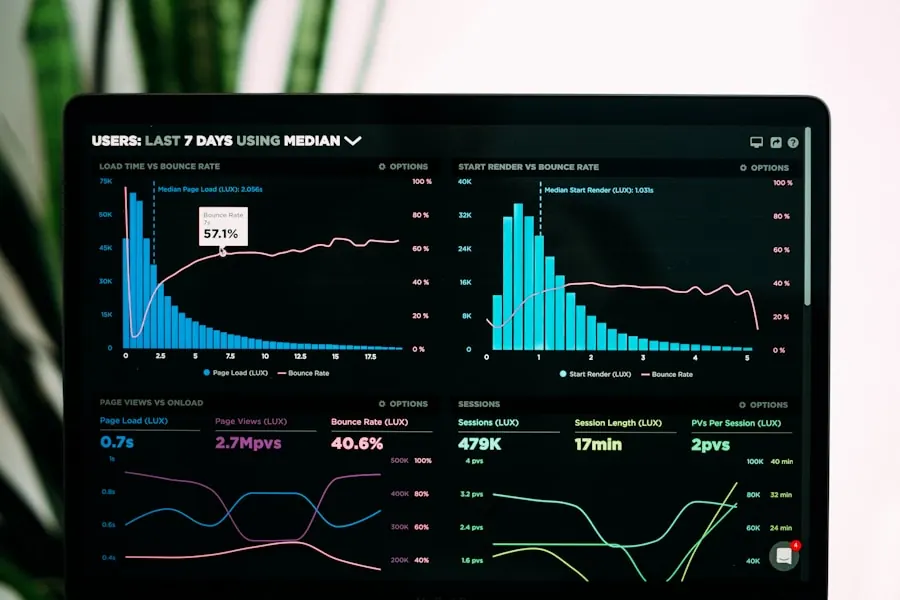
Odoo 19 dashboard with AI-assisted workflow panels
  • AI-assisted workflowsThe new AI hooks configured against your data, not left switched off in settings.
  • New and reworked modulesWe map what changed in 19 against what you already run before recommending the jump.
  • Community or EnterpriseBoth editions supported, and we will tell you which one the features you need actually sit in.
  • Fresh rolloutsNew implementations start here unless there is a reason not to.

Proven and stable

Odoo 17 & 18

Battle-tested releases with the widest third-party module support. The right choice when stability matters more than being on the newest version.

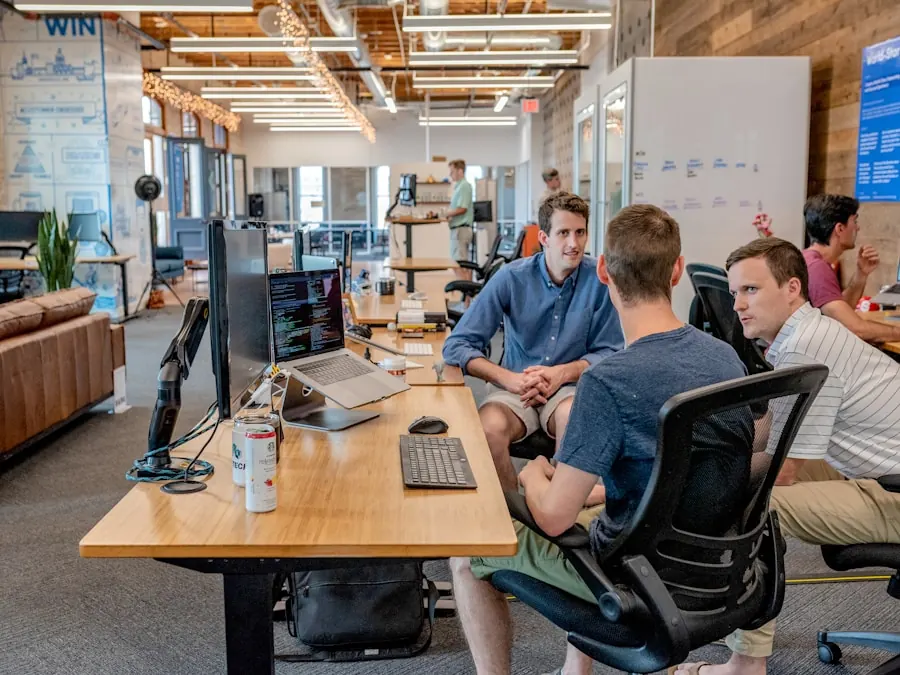
Development team maintaining an Odoo 17 and 18 deployment
  • Long-term maintenanceSecurity patches, dependency updates and performance work on releases you are staying on.
  • Custom module supportExisting customisations maintained and extended without forcing a version jump.
  • Structured upgrade pathsA costed route to 19 when you are ready, with custom code assessed first.
  • Widest app compatibilityThird-party and OCA apps that have not caught up to 19 yet still work here.

Subscription edition

Odoo Enterprise

The paid edition, with Odoo carrying support and upgrades. We help you decide whether the apps you need actually justify the per-user cost.

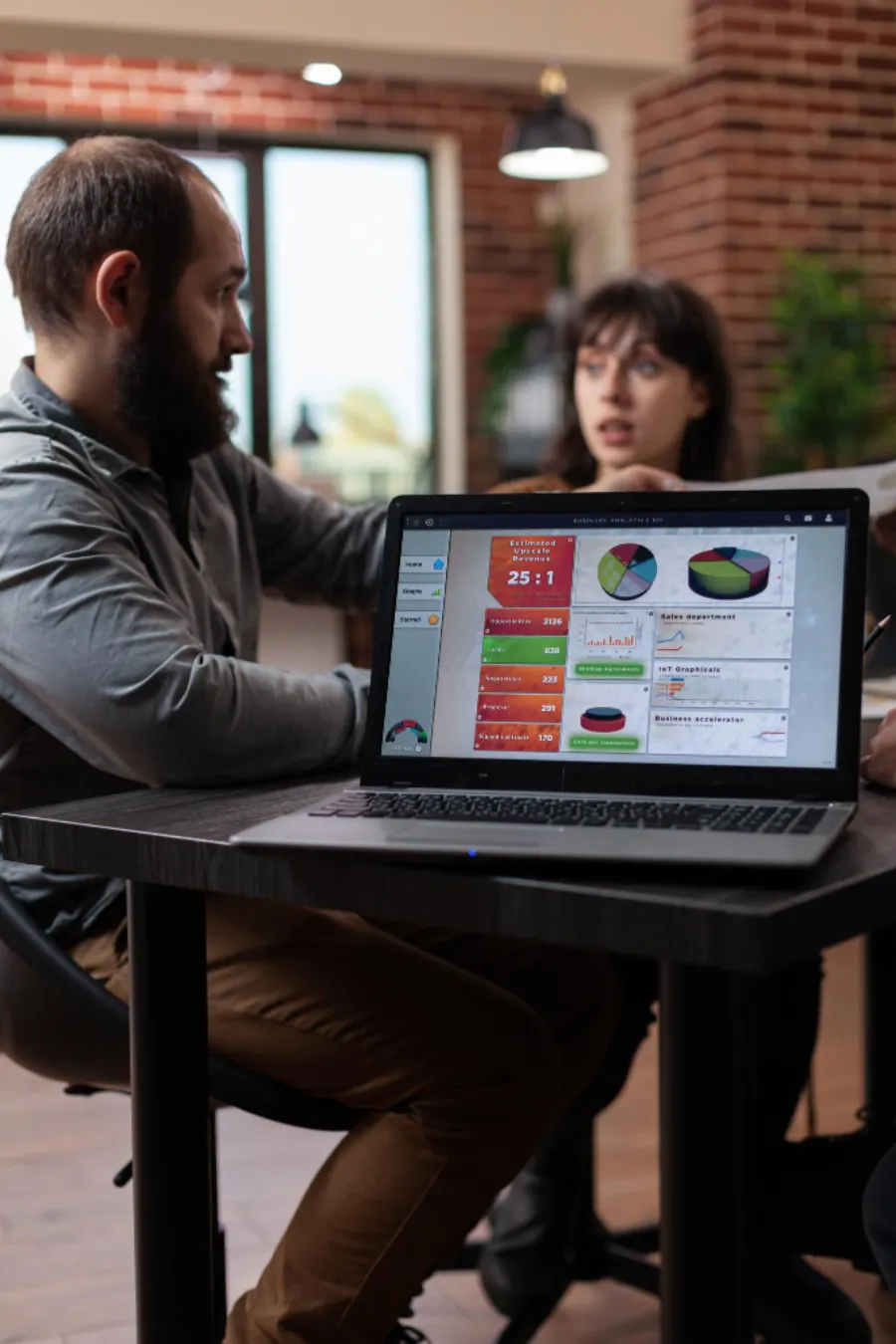
Consulting session reviewing Odoo Enterprise app selection
  • Enterprise-only appsStudio, Planning, Field Service, full Accounting and the mobile apps, where your process needs them.
  • Odoo.sh deploymentGit-backed hosting with staging branches, which is where most custom work belongs.
  • Licence ROI reviewAn honest count of which paid apps you will use, before you commit to a per-user subscription.
  • Vendor-backed supportOdoo handles support and the version upgrade as part of the subscription.

Open source, self-hosted

Community & On-Premise

Open-source Odoo with custom modules filling the gaps, self-hosted on your own infrastructure. No licence fee, full source access, and full operational responsibility.

Self-hosted Odoo Community running on private infrastructure
  • Zero licence costLGPLv3, no per-user fee. The budget goes into the build rather than the subscription.
  • Self-hosted anywhereYour servers, AWS, Azure, private cloud or containers, wherever policy requires the data to live.
  • Custom modules for the gapsWhere an Enterprise app is missing, we build the piece you actually need instead of all of it.
  • Complete data controlFull database and source access, which matters when residency is a compliance obligation.

Odoo Services We Offer

Eight service lines covering the whole life of an Odoo ERP, from consulting and Odoo implementation services through custom development and integration to Odoo support and maintenance once you are live. Take one, or take the sequence.

01

Odoo Consulting Services

Before a single module is switched on, an experienced Odoo consultant maps how your business actually runs and decide what Odoo should and should not do. Most failed ERP projects are scoping failures, so this is where we spend the time. If Odoo turns out not to be the answer, our wider ERP development team can build to fit instead.

Business process analysis and as-is mapping; An ERP roadmap phased by business value, not module count; Module selection, and an honest view of what to leave out; Odoo Community vs Enterprise: licence cost against the features you need; Technical architecture, Odoo hosting and environment design; Implementation planning with a costed, phased schedule.

02

Odoo ERP Implementation

Our Odoo implementation services run as a fixed-scope project rather than an open-ended engagement. Every stage ends in something your team signs off, so nobody discovers at go-live that a workflow was missed.

Requirement gathering with the people doing the work; Configuration of the modules your operation actually uses; Workflow setup across sales, purchase, inventory and finance; User roles, record rules and access rights; Data migration from your existing systems and spreadsheets; Functional, integration and user acceptance testing; Role-based training and written process documentation; Go-live with a cutover plan and hypercare afterwards.

03

Custom Odoo Development

Where Odoo stops, custom development starts. We build modules the Odoo way, so upgrades stay possible instead of being blocked by the code we wrote. The same team handles custom software development beyond Odoo.

Custom Odoo modules built to Odoo development guidelines; Python business logic on the Odoo ORM; XML views, QWeb templates and record definitions; OWL components for modern front-end behaviour; Custom workflows, state machines and approval chains; Custom reports in QWeb and Excel; Operational dashboards for the metrics you actually run on; Customer, vendor and partner portal development.

04

Odoo Customization

Odoo customization services that shape standard Odoo around your process without forking it. Configuration first, code only where configuration genuinely cannot reach, which is what keeps Odoo ERP customization upgrade-safe.

Custom fields on standard models; View customization: form, list, kanban, calendar and pivot; Odoo automation: automated actions and scheduled server actions; Multi-step approval workflows with delegation; Report layouts, templates and branded documents; Customization of existing standard modules; UI and UX improvements for the screens your team lives in.

05

Odoo Integration Services

Odoo works best when it stops being an island. We connect it to the systems you already run, with error handling and retry logic rather than a script that fails silently.

Accounting: Xero and QuickBooks; eCommerce: Shopify and WooCommerce; CRM: Salesforce; Payments: Stripe, PayPal and card gateways; Messaging: WhatsApp Business and Twilio; POS systems and in-store hardware; Shipping and logistics platforms; Custom REST API and webhook integrations either direction.

06

Odoo Migration Services

Moving off a legacy ERP is a data problem before it is a software problem. We treat it that way, and we prove the data is right before anyone stops using the old system.

SAP to Odoo; Microsoft Dynamics, including NAV and Business Central, to Odoo; QuickBooks to Odoo; Tally to Odoo; Legacy and in-house ERP to Odoo; Database migration with a documented field-level mapping; Data cleansing and de-duplication before load; Validation and reconciliation against your source system; Dry-run testing, then a planned cutover with a rollback path.

07

Odoo Upgrade Services

Upgrades stall when custom code was written without upgrades in mind. We take the version jump and the custom code together, because separating them is what leaves businesses stranded on Odoo 14.

Version upgrades, including long jumps from older releases; Database migration and schema reconciliation; Custom module compatibility review and refactoring; Third-party and OCA app compatibility testing; Regression testing across every business-critical workflow; Performance optimization and query tuning after the upgrade; User acceptance testing on a full copy of your data; Production deployment with a tested rollback plan.

08

Odoo Support & Maintenance

The years after go-live are where an ERP earns or loses its money. Odoo support and maintenance is a defined agreement with response times, not a best-effort inbox.

Bug fixing with agreed response and resolution targets; Proactive monitoring of jobs, queues and integrations; Security patching and access review; Performance tuning as data volumes grow; Version upgrades handled as planned work; Ongoing custom development against a monthly allocation; Technical support for your admins and power users; SLA-based support tiers, and dedicated development teams.

Odoo Modules We Implement & Customize

Stability comes first. Some businesses need one module to start, others the full suite, so we structure them to run independently or together without disrupting what already works. Seventeen we configure, extend and support in production.

[1]

Odoo CRM

Pipelines that match how your reps actually sell, lead scoring and assignment rules, and activity tracking that managers will use. Commonly extended with quotation approval limits and territory rules. See also our standalone CRM development work. See our AI in CRM work.

[2]

Odoo Accounting

Chart of accounts, tax configuration, bank feeds and reconciliation, multi-currency and multi-company. We configure to your local statutory reporting rather than the demo data defaults.

[3]

Odoo Sales

Quotation templates, product variants, price lists, discount approvals and subscription-linked ordering. The step most often customised is the quote-to-order handoff into inventory.

[4]

Odoo Purchase

Vendor pricelists, reordering rules, purchase agreements and multi-level approval by value. We wire the three-way match between PO, receipt and vendor bill so finance is not reconciling by hand.

[5]

Odoo Inventory

Multi-warehouse, multi-step receipts and deliveries, lot and serial traceability, barcode operations and replenishment. Usually the module that decides whether the whole ERP is trusted. Common in logistics deployments.

[6]

Odoo Manufacturing

Bills of materials, routings and work centres, work orders on the shop floor, subcontracting and MRP scheduling. Extended with real-time capture where machines can report their own output. See our manufacturing work.

[7]

Odoo POS

Till configuration, offline-capable sessions, payment terminals, restaurant floor plans and kitchen printers, with stock and accounting posting straight back into the same database. Used across retail and hospitality rollouts.

[8]

Odoo eCommerce

Product catalogue and variants, delivery and payment methods, customer portals and B2B pricing, running off the same inventory and pricing as your internal operations. See our retail work.

[9]

Odoo Marketing

Email and marketing automation campaigns, lead nurturing flows, events and SMS, attributed back to the opportunities and invoices they actually produced.

[10]

Odoo HR

Employee records, recruitment pipelines, time off with approval chains, appraisals and fleet. Configured around your policy, including accrual rules that rarely match the defaults.

[11]

Odoo Payroll

Salary structures, rules and contribution registers built to your jurisdiction, with payslip batches and accounting entries. Payroll is the most locale-specific module in Odoo and is treated as such.

[12]

Odoo Project

Project stages, task templates, planned versus actual hours, milestone billing and profitability by project. The reporting layer is usually where custom work is needed.

[13]

Odoo Helpdesk

Ticket teams and SLA policies, escalation rules, customer portal and knowledge base, linked back to sales orders and contracts so agents see the account, not just the ticket. See our AI chatbots work.

[14]

Odoo Website

Website builder pages, forms that create real CRM records, multi-language and SEO controls, and a customer portal that reads from live ERP data rather than a copy. Where a portal is not enough we build a companion app through our mobile app development team.

[15]

Odoo Planning

Shift planning and resource allocation against real availability, with published schedules your team can see and open shifts they can take.

[16]

Odoo Subscriptions

Recurring plans, upsell and churn tracking, automatic invoicing and renewal alerts, with MRR reporting finance can reconcile against the general ledger.

[17]

Odoo Quality

Quality control points on receipts and production, checks and measures, alerts and non-conformance handling, with the evidence trail an audit will ask for. Most often paired with manufacturing work.

Integrations

Odoo Integrations

An ERP that does not talk to the rest of your stack just moves the double entry somewhere else. These are the integration categories we build and support, and what we handle in each.

Accounting platforms

Xero and QuickBooks

Two-way sync of customers, invoices, payments and credit notes, with a mapping layer so your chart of accounts does not have to change to suit the connector.

CRM systems

Salesforce

Keep Salesforce as the system of record for the pipeline while Odoo runs delivery, or move the pipeline into Odoo and sync back. Both are common; we scope which direction owns which field.

eCommerce platforms

Shopify and WooCommerce

Orders, customers, stock levels and fulfilment status synced against a single inventory in Odoo, so the storefront cannot oversell what the warehouse does not have.

Payment gateways

Stripe, PayPal and card acquirers

Payment capture, refunds and reconciliation posted back to the correct journal, including handling for partial payments and failed captures.

Communication platforms

WhatsApp Business and Twilio

Order confirmations, delivery notifications, reminders and two-way conversations tied to the Odoo record they belong to, rather than sitting in a separate inbox.

POS systems

Odoo POS and third-party tills

Sales, stock movements and cash sessions flowing into the same database as the rest of the business, including in-store hardware and payment terminals.

Shipping and logistics

Carrier and 3PL platforms

Rate shopping, label generation, tracking updates and proof of delivery written back onto the delivery order.

Custom APIs

REST, XML-RPC and webhooks

Where no connector exists we build one, with authentication, retry logic, idempotency and a failure queue somebody actually monitors.

Existing enterprise systems

Legacy, in-house and industry software

Middleware between Odoo and the systems you cannot replace yet, including scheduled file-based exchanges where that is all the other side supports.

Every integration ships with error handling, a retry policy and monitoring. A connector that fails silently is worse than no connector, because the business keeps trusting the number. More on how we approach this on our API development and integration page.

Your CRM and your ERP should be one system

Odoo CRM, configured around how your team actually sells.

Pipelines that match your sales process, lead scoring on real conversion patterns, and quotes that become orders without anyone re-keying them. If you would rather keep Salesforce or HubSpot, we sync it instead. We also build standalone CRM systems where Odoo is not the right fit.

Talk About Your CRM
Industries

Odoo for Different Industries

Twelve sectors, and the specific Odoo work each one actually needs. The modules are the same; what changes is which workflows have to be right before go-live. See our manufacturing and retail practices for deeper detail.

[01] Manufacturing

Production that schedules against real capacity, not infinite.

  • Bills of materials and routings
  • Work orders on the shop floor
  • Subcontracting and MRP
  • Quality checks on the production order
More on Manufacturing
[02] Construction

Cost per site rather than cost per month.

  • Project costing by site
  • Subcontractor purchase orders
  • Progress billing on milestones
  • Equipment and materials to the job
[03] Retail

Every till and every store on one inventory.

  • POS across locations
  • Price lists and promotions
  • Loyalty programmes
  • End-of-day cash reconciliation
More on Retail
[04] eCommerce

One source of truth, so the storefront cannot oversell.

  • Storefront on live stock
  • Fulfilment and returns
  • B2B pricing and portals
  • Credit notes drafted on return
More on eCommerce
[05] Healthcare

Traceability where it is a compliance obligation, not a nice-to-have.

  • Appointment and resource scheduling
  • Consumables traced by lot
  • Supplier compliance records
  • Payer and patient billing split
More on Healthcare
[06] Logistics

Margin per shipment that survives contact with landed cost.

  • Multi-warehouse operations
  • Wave and batch picking
  • Carrier integration and POD
  • Landed cost applied
More on Logistics
[07] Food & Beverage

Planning against shelf life, not just order date.

  • Recipe and yield management
  • Lot traceability for recall
  • Expiry-driven picking
  • Production planning on shelf life
More on Food and Beverage
[08] Real Estate

Rent that invoices itself and maintenance that is ticketed.

  • Property and unit records
  • Lease and rent schedules
  • Recurring invoicing
  • Maintenance as helpdesk tickets
More on Real Estate
[09] Professional Services

Profit per engagement, not per month.

  • Timesheets against billable projects
  • Milestone and retainer invoicing
  • Resource planning
  • Profitability per engagement
[10] Distribution

Vendor lead times that actually drive reordering.

  • Multi-channel pricing
  • Lead times feeding reorder rules
  • Drop-ship flows
  • Margin by customer and product
[11] Education

Fees, staff and facilities on one system.

  • Student and enrolment records
  • Fee schedules and instalments
  • Staff payroll
  • Asset and facility management
More on Education
[12] Startups

Start small on Community and add scope as you earn it.

  • Three or four modules to begin
  • A clean data model from day one
  • Scope added as you grow
  • No ERP you have not grown into
Technologies

Latest Odoo Technologies for Smart Integration

What we reach for when Odoo has to do more than the standard configuration allows. Pick one to see where it earns its place in a build.

Python & the Odoo ORM

Business logic written against Odoo’s own ORM rather than raw SQL, so record rules, access rights and the audit trail keep working. Every custom model inherits instead of replacing, which is what makes a version upgrade survivable.

PostgreSQL

The database Odoo is built for. We tune indexes and queries against your real volumes, because most reports of a slow Odoo turn out to be one query and one missing index rather than an undersized server.

OWL & QWeb

Odoo’s own front-end framework for interfaces that feel native to the product. QWeb for reports and templates, OWL components where a screen needs behaviour the standard views cannot express.

REST, XML-RPC & Webhooks

The integration surface. XML-RPC where the other system expects Odoo’s native API, REST and webhooks where it does not, always with authentication, retries and a failure queue somebody watches.

Docker & Infrastructure as Code

Containerised environments with the addons path, filestore and database declared rather than remembered, so staging matches production and a rollback is a redeploy rather than an evening.

Odoo Studio & Automation

Configuration before code. Studio, automated actions and server actions cover a surprising amount of what gets asked for, and what they cover costs nothing to upgrade later.

AI Inside Odoo

Retrieval over your own records, document capture, forecasting and agents, built as native modules under the same access rights your team already has. More on our Odoo AI integration page.

Odoo Hosting & Deployment

Where Odoo runs decides what you can build on it, what it costs to operate and who is accountable when it stops. We deploy to all of the following and will tell you which one fits before you commit, along with what we run alongside it once you are live.

Odoo Online

Odoo’s own SaaS. Fastest to start and nothing to run, at the cost of server access, so custom code cannot deploy here.

Odoo.sh

Odoo’s platform as a service, built for custom modules: git-backed, with staging branches and one-click builds.

AWS

Self-managed on EC2 or containers, with RDS for PostgreSQL and S3 for filestore. Full control of sizing, networking and region.

Azure

The same self-managed pattern for organisations already standardised on Azure, using Azure Database for PostgreSQL and Entra ID.

Private cloud

Your own tenancy or a provider you already hold a contract with, where data residency or procurement decides where the database lives.

On-premise

Your hardware, your network. Chosen where connectivity is unreliable, or policy will not allow business data off site.

Docker and containers

Containerised Odoo with the addons path, filestore and database as declared services, so every environment is reproducible.

Backups

Automated database and filestore backups on a schedule matched to how much work you can afford to lose, with restores tested.

Security

TLS, hardened access, least-privilege database users, patched base images and periodic review of Odoo access rights.

Monitoring

Uptime, worker and cron health, queue depth, integration failures and disk headroom, alerting to somebody on call.

Performance

Worker and connection sizing, slow-query analysis and indexing, asset caching, and a reverse proxy in front.

Deployment

Staging that mirrors production, module upgrades applied through source control, and a release path you can reverse.

Scalability

Scaling workers and read capacity as data grows, moving long jobs off the request path, and archiving so hot tables stay fast.

Still deciding whether Odoo is the right ERP?

That is the question the consulting engagement exists to answer, and we will answer it honestly. If Odoo is the wrong fit, we say so.

Editions

Odoo Community vs Enterprise

The edition decision is usually made too early and rarely revisited. Both run the same core; the difference is which apps you get, who supports you and what you pay. Odoo changes what sits in each edition between versions, so treat this as the shape of the decision and confirm the current app list for your version before you sign.

Odoo Community and Odoo Enterprise compared
 CommunityEnterprise
LicenceOpen source under LGPLv3, no per-user licence feePaid subscription, priced per user and per app
Apps includedThe core open source apps: CRM, Sales, Purchase, Inventory, Manufacturing, Accounting basics, Website, Project and moreEverything in Community plus Odoo’s proprietary apps, which vary by version. Studio, Helpdesk, Planning, Field Service, full Accounting and mobile apps are typically Enterprise
SupportCommunity, partners and your own teamOdoo’s own support and bug fixes are included in the subscription
UpgradesYou or your partner run the version upgradeOdoo provides an upgrade service as part of the subscription
HostingAnywhere you like: your own servers, AWS, Azure, private cloud or containersOdoo Online, Odoo.sh or self-hosted, depending on the plan you take
CustomizationFully customisable, full source access, no restriction on modules you writeEqually customisable in code; Studio adds no-code changes on top
Best suited toTeams with development capability, standard-to-custom processes, tight licence budgets, or a need to self-hostTeams who want vendor support and the Enterprise-only apps, and would rather pay a subscription than carry the operational load

When Community makes sense

Your processes are close to standard or you have development support, you want to self-host for data residency or cost reasons, and the Enterprise-only apps are not on your critical path. Plenty of profitable businesses run Community for years, and the migration path to Enterprise stays open if that changes.

When Enterprise makes sense

You need apps that only ship with Enterprise, you want Odoo carrying the support and upgrade obligation, or your finance team needs the full accounting feature set. The subscription usually costs less than the internal time it replaces once you are past a certain headcount.

We implement and support both, and we have no incentive either way. What we will not do is recommend Enterprise for apps you are not going to use.

Cost

How Much Does Odoo Implementation Cost?

Anyone quoting an Odoo implementation cost before seeing your processes is guessing, and the number will move. These are the six things that actually decide what your project costs, so you can judge a quote instead of just comparing totals.

Number of modules

Three modules and five hundred products is a different project from twelve modules across three legal entities. Module count drives configuration, testing and training more than anything else.

How much is custom

Standard configuration is the cheap part. Every custom module adds development, review, testing and a permanent upgrade obligation, which is why we push configuration first.

Data migration

Clean data in one system is a week. Fifteen years of history across spreadsheets, a legacy ERP and a shared drive, with duplicates and no consistent customer key, is not.

Integrations

Each connected system is its own small project: field mapping, auth, error handling and a decision about which side owns which field.

Users and roles

Enterprise licensing is per user, and more distinct roles means more access rules, more testing and more training sessions.

Hosting choice

Odoo Online, Odoo.sh and self-hosted carry different subscription, infrastructure and operational costs. The cheapest line item is not always the cheapest option.

How we price Odoo development

Fixed price

Scope agreed in writing, milestones billed as they are signed off, one number for the project. Right when requirements are clear. Most of our implementations run this way.

  • Written scope before we start
  • Milestone billing
  • No change-order surprises

Dedicated team

A monthly rate for named full-time engineers. Right when the roadmap will keep moving and you want capacity rather than a closed scope.

  • Named full-time engineers
  • Your sprint cadence
  • Scale up or down monthly

Support retainer

A monthly allocation covering SLA-backed support plus an agreed block of development hours, so small changes do not need a new contract each time.

  • SLA-backed response targets
  • Development hours included
  • No contract per change

Whichever model you take, you get the Odoo development cost in writing before development starts, and a scope document that says what is not included. Discovery is where that number gets accurate, which is why the consultation comes first and is free.

Get a Fixed-Price Odoo Quote
Case Studies

Odoo Case Studies

Real Odoo deployments, with the numbers the client measured after go-live.

Manufacturing

WAVE: Odoo ERP for a sugar factory

Production, weighbridge, procurement and supply chain brought onto one Odoo system for AB Sugar, replacing the spreadsheets and disconnected tools each department ran separately.

  • 70%Faster farmer payout
  • 2,400+Farmers onboarded
  • 12+Odoo modules live
Read the WAVE case study
Engineers building an AI module inside an Odoo deployment AI model visualisation over a connected business system

AI-Powered Odoo Development & Automation

We embed AI inside Odoo as native modules rather than bolting a chatbot onto the side, so it reads and writes the same records your team does, under the same access rights. Odoo AI development is where we differ from most Odoo partners, but it only earns its place where it removes work somebody is doing today. Backed by our wider AI development and AI agent teams.

[1] AI Odoo Assistant

An in-app assistant that answers from your live Odoo data and drafts records, scoped to the user’s own access rights so it can never surface what they cannot open.

[2] AI Voice Agents

Voice agents that answer calls, book and reschedule appointments and log the outcome straight onto the Odoo record. See the voice agent case study.

[3] AI-powered CRM automation

Lead scoring and routing on real conversion patterns, follow-up drafting in your reps’ own tone, and deals flagged on behaviour rather than a stale date field.

[4] Intelligent document processing

Contracts, delivery notes and supplier documents read, classified and turned into structured Odoo records, with a confidence score and a review queue below threshold.

[5] Invoice and PO OCR

Vendor bills and purchase orders captured from PDF or photo, matched against the PO and receipt, and posted for approval instead of keyed in.

[6] AI sales assistant

Quote drafting from past deals, next-best-action prompts, and pipeline summaries a sales manager can act on in a morning.

[7] AI customer support

Helpdesk deflection grounded in your own knowledge base and order data, escalating with the context already gathered. More on AI chatbot development.

[8] Predictive analytics

Demand, stock-out and churn forecasting trained on your own Odoo history, delivered into the dashboards your team already opens.

[9] Natural language search

Ask for the data in plain language and get the record or the report, without teaching everyone Odoo’s filter syntax.

[10] Intelligent workflow automation

Agents that carry multi-step work across Odoo and your other systems, pausing for human approval wherever the step is irreversible.

[11] AI-powered reporting

Written explanations of what moved and why, attached to the numbers, so the monthly pack stops being assembled by hand.

Deeper detail sits on our Odoo AI integration page. Everything here ships as an Odoo module through the same review, staging and upgrade path as the rest of your customisation.

Custom Development

How We Build Custom Odoo Modules

When out-of-the-box Odoo doesn't fit your workflow, we build it from scratch: clean, upgradable Python/XML modules that pass Odoo certification and survive every version upgrade.

01

New Module Development

Build fresh Odoo modules with models, views, security rules and workflows tailored to your operations, multi-company and multi-currency ready from day one.

02

Workflow & Approval Customization

Multi-step approval chains, escalation rules, automated actions and conditional access, coded so they upgrade cleanly to future Odoo versions.

03

Custom Reports & Dashboards

QWeb PDF reports, interactive Studio dashboards and OWL component widgets that match your branding and KPI structure.

04

UI / Theme Customization

Custom Odoo backend themes, branded customer portals and white-label storefronts, built with OWL and Odoo's official theme API.

05

API & Webhook Integration

REST endpoints, XML-RPC bridges, Zapier/n8n triggers and event-driven webhooks. Connect Odoo to anything in your stack.

Odoo Apps Store Compliant Python 3 & OWL Framework Unit + Integration Tests Upgrade-Safe Code
custom_sales_module / models / sale_order.py
# Custom approval workflow for high-value deals
from odoo import models, fields, api

class SaleOrder(models.Model):
_inherit = 'sale.order'

approval_status = fields.Selection([
'pending', 'approved', 'rejected'
])

@api.depends('amount_total')
def _check_approval(self):
for rec in self:
if rec.amount_total > 50000:
rec._request_cfo_approval()
Gain a Competitive Edge

Why Choose Appther for Odoo Development?

Plenty of agencies can stand up Odoo. Fewer will tell you which workflow is worth changing first, then stay on the system once real usage starts moving the numbers.

01

Odoo functional and technical expertise

The same team scopes the process and writes the code. Functional consultants who know what Inventory does to Accounting, and developers who know what a stored compute does to an upgrade.

02

Custom development that survives upgrades

We extend Odoo through inheritance and standard extension points rather than editing core. It is slower to write and it is the reason our clients can take a version upgrade at all.

03

Integration expertise

Accounting, eCommerce, CRM, payments, messaging, POS, shipping and custom APIs, each shipped with retry logic, idempotency and monitoring instead of a script that fails quietly.

04

AI and Odoo in one team

Our AI engineers and our Odoo developers are the same organisation, so an AI feature lands as a native module with your access rights honoured, not as a separate product beside the ERP.

05

Dedicated development team

Full-time engineers on your product with a named project manager, not shared capacity reassigned mid-sprint.

06

Global delivery in your hours

Delivery teams across the US, India and UAE with a working overlap in your timezone, so a blocker does not wait a day for an answer. Odoo sits alongside our enterprise software development practice.

07

QA and testing before you see it

Functional, integration and regression testing on a copy of your data, then user acceptance testing your own team signs off before anything reaches production.

08

Long-term support, not a handover

SLA-backed support with response targets, proactive monitoring and a monthly development allocation, because the years after go-live are where an ERP earns or loses its money.

09

Upgrade-friendly by default

Every custom module is written against Odoo’s guidelines and re-tested at each version. Being stranded on an old version is the most expensive thing that happens to an Odoo deployment.

Move beyond spreadsheets and build an Odoo ERP that fits

We map how your business actually runs, configure what Odoo already does well, and build only the parts it does not. You get a phased plan and a fixed-price scope before development starts, so go-live is a date rather than a hope.

Start Your Odoo Project
Odoo ERP dashboard showing live operational metrics
Our Process

Our Odoo Implementation Process

Six phases take an Odoo project from the first workshop to a system your team runs the business on. Every phase ends in something you sign off, so nobody discovers at go-live that a workflow was missed.

Week 1–2

Discovery & Requirements

We map your business before writing a single line of code.

What we doStakeholder workshops, process flow documentation and a requirements specification that says exactly what your Odoo instance will do and how modules connect to your operations.
DeliverablesProcess flow documents, a module selection report and a fixed-price quote.
Week 2–4

Architecture & Design

Database schema, system architecture and UI prototypes.

What we doWe set up your Odoo instance, design the data model, plan user roles and access levels, and build interactive wireframes for the screens your team will live in.
DeliverablesA configured instance, custom theme, a role and access plan, and approved UI wireframes.
Week 4–12

Development & Configuration

Agile sprints with demos every two weeks.

What we doModule-by-module work in two-week sprints. Core configuration, custom module development and third-party integrations run in parallel rather than in sequence.
DeliverablesWorking software at every sprint demo, plus configured core modules, custom modules and API integrations.
Week 10–14

Data Migration

The old system is not switched off until the data proves out.

What we doA structured ETL process: extract from SAP, Dynamics, QuickBooks or your custom system, transform to Odoo’s data model, then validate and reconcile against source.
DeliverablesA documented field-level mapping, a cleansed data set, parallel-run results and a cutover plan with a rollback path.
Week 13–15

Testing & UAT

Your team signs off on every workflow before go-live.

What we doFunctional, regression and load testing, plus a security review. We do not go live until your own people have validated every report, workflow and integration.
DeliverablesA test report, a security review, and written UAT sign-off from your team.
Week 15+

Go-Live & Ongoing Support

The launch, then the years that follow it.

What we doProduction cutover with your team trained, a hypercare period with intensive monitoring, then an ongoing support plan covering bug fixes, updates and development.
DeliverablesA live system, trained users, and an SLA-backed support agreement sized to your deployment.
Resources

Odoo Guides Worth Reading First

Written for people deciding, not people already sold. Cost, comparisons, upgrade paths and what to have ready before a rollout starts.

View All
FAQ

Frequently Asked Questions About Odoo

Everything you need to know about Odoo ERP services, answered straight, no sales jargon.

What Odoo services does Appther offer?
Appther provides a full range of Odoo services including ERP implementation, custom module development, third-party integrations, data migration from SAP/Dynamics/Tally, Odoo version upgrades, UI customization, user training, and 24/7 ongoing support across Odoo 17, 18 and 19.
How long does Odoo ERP implementation take?
A standard Odoo implementation for a small to mid-size business takes 8–16 weeks. We follow an agile model. You see working modules at every sprint checkpoint, not just at go-live. Timeline depends on module count, data migration complexity, and integrations.
What is the difference between Odoo Community and Enterprise?
Odoo Community is open-source and free. Odoo Enterprise adds modules like Payroll, Sign, IoT and eCommerce, plus official support and cloud hosting. We help you choose the right edition based on your budget and feature requirements, and implement both.
Can you integrate Odoo with Shopify, Salesforce or other tools?
Yes. We've built Odoo integrations with Shopify, WooCommerce, Salesforce, Stripe, QuickBooks, Xero, and custom REST APIs. All integrations use Odoo's native XML-RPC or REST API, ensuring stability across version upgrades and no data duplication.
Can you migrate our data from SAP, Dynamics or Tally to Odoo?
Yes. We specialize in ERP migrations from SAP Business One, Microsoft Dynamics NAV/BC, QuickBooks, Tally, and custom systems. Our ETL process handles mapping, transformation, validation, and parallel-run testing to guarantee zero data loss during cutover.
Is Odoo suitable for startups or only large enterprises?
Odoo works equally well for both. Startups typically start with CRM, Invoicing and Project, often under $5,000, and add modules as they scale. Enterprises use the full Odoo suite across multiple offices, countries and thousands of users.
Do you support Odoo 17, 18 and 19?
Yes. Our experienced developers work across Odoo 17, 18 and the latest Odoo 19, both Community and Enterprise. We also handle version upgrades from older editions, including full re-testing and re-customization of existing modules for the new version.
Do you provide post-implementation Odoo support?
Yes. Tiered support plans cover bug fixes, security patches, performance monitoring, user training and dedicated developer access. Our team operates across US, India and UAE time zones for fast response wherever your business is based.
Can you add AI features inside Odoo ERP?
Yes. We build native AI modules inside Odoo: voice receptionists, predictive forecasting, invoice OCR, AI sales/support copilots, smart recommendations and natural-language search. They live inside the Odoo UI as proper modules, not external chatbots, so your team uses them in their existing workflows without leaving Odoo.
Do you build custom Odoo modules from scratch?
Yes. Our experienced developers build custom Odoo modules in Python and XML using the OWL framework: new models, custom views, approval workflows, QWeb reports, OWL dashboards, REST/XML-RPC integrations and white-label themes. Every module is upgrade-safe, tested, and follows Odoo Apps Store coding standards so it survives every version upgrade.

Get Started

Let’s Build
Your Odoo ERP

Book a free 30-minute consultation with our experienced Odoo architects. We'll review your current systems, identify the right modules, and give you an honest fixed-price plan. No obligation, no pitch.

No commitment Reply in 2 hours Fixed-price quotes NDA on request

Tell us about your Odoo project

We reply within one business day. No obligation, NDA on request.