Odoo Migration Guide 2026: Process, Cost and Upgrade Checklist
How to plan and de-risk an Odoo upgrade, with the checklist we run before every cut-over.
Odoo ERP implemented the way an Indian business actually runs: GST and e-invoicing configured and then tested against a return you have already filed, EPF and ESI payroll handled, your Tally history brought across, and a fixed rupee price agreed before anyone writes a line of code. Engineered from our Noida office, on IST.
Trusted by teams across India, the Gulf and worldwide






Most Odoo work in India is either a reseller who configures and leaves, or a body shop that has never filed a GSTR-1 from the system it built. We are set up to be neither of those.
Six ways we work with Odoo in India. In India most engagements begin with a Tally migration or a custom module, then widen once the first GSTR-1 files cleanly out of the new system. Each line links to its guide, and all of it sits inside our Odoo ERP services practice.
Accounting, sales, purchasing, stock and CRM configured around how you actually trade, on Community or Enterprise, whichever is cheaper for your headcount.
For businesses that have outgrown a books package and need stock, job work or production sitting on the same ledger as the money.
For when a standard app almost fits. Written in Python and XML as proper installable modules, so the next version upgrade does not quietly undo the work.
The systems around Odoo that Indian businesses already depend on, connected properly rather than through a spreadsheet export.
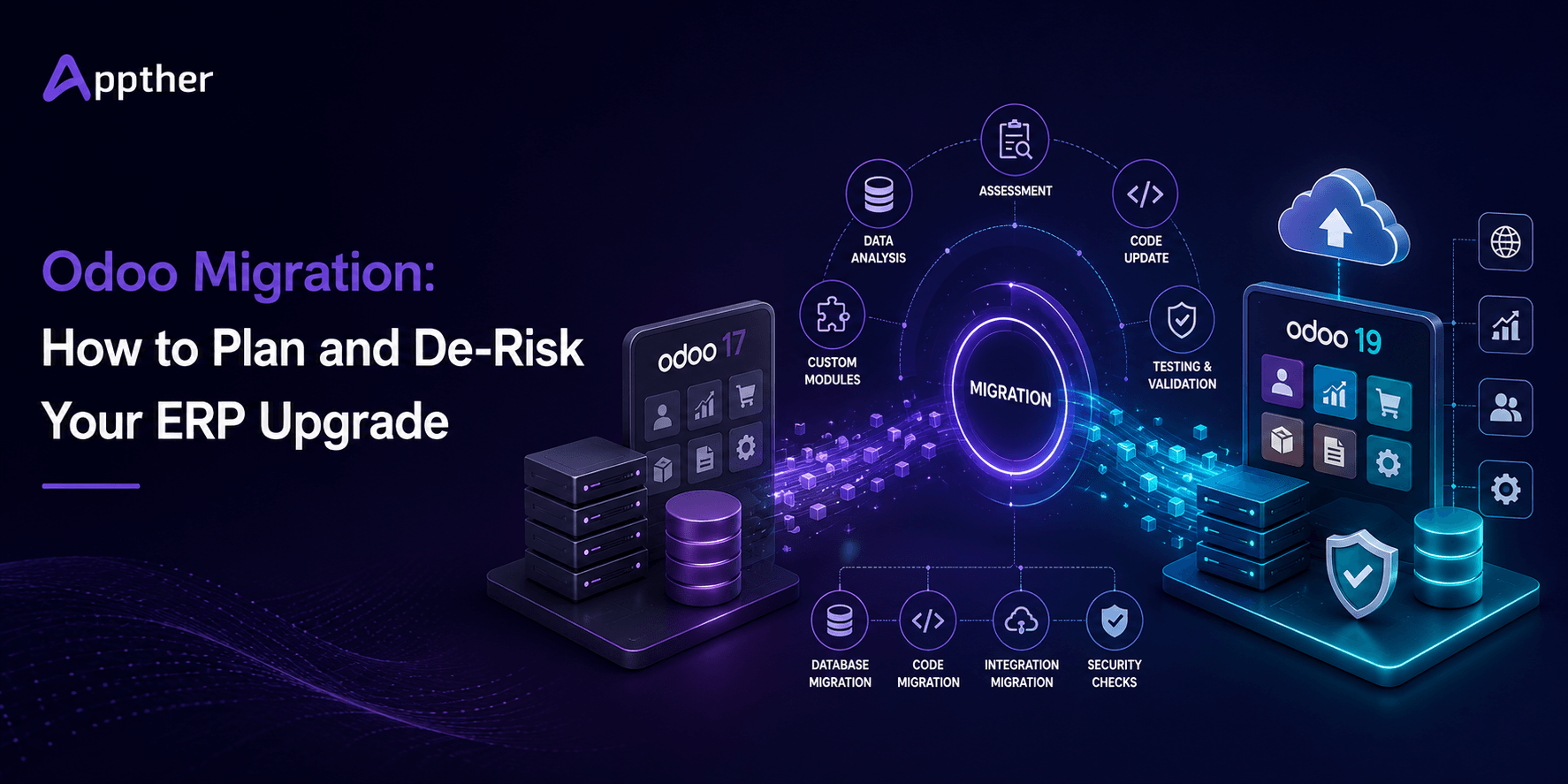
Moving from Odoo 14, 15, 16 or 17 to 19 without losing the customisations that made your version yours, and without breaking e-invoicing on the way. See our migration guide.
After go-live: a named engineer, an IST response window and hosting in an Indian region if your data cannot leave the country.
An Odoo instance can be technically perfect and still fail its first GST filing in India. These six are where it usually goes wrong, so each is a named line on the implementation checklist rather than a footnote nobody reads.
CGST, SGST, IGST and cess on an Indian chart of accounts, the composition scheme where you are on it, reverse charge on notified supplies, e-invoice IRNs raised against the IRP, and GSTR-1 and GSTR-3B data produced from Odoo rather than rebuilt in a spreadsheet. Tested against a return you have already filed with the GSTN.
Odoo's Indian payroll with EPF, ESI, professional tax, gratuity and Form 24Q TDS returns, or a clean journal sync from the payroll platform your HR team already trusts. We recommend whichever costs you less at your headcount and say why.
Invoices laid out the way the IRP expects, TDS deducted under 194C and 194Q where it applies, TCS under 206C(1H) on the sales side, and Form 26AS reconciliation that does not fall to one person in March.
Odoo deployed in AWS Mumbai or Azure Central India inside your own account when the data cannot leave the country, with backups that stay in region. Where that is not a constraint, Odoo.sh or Odoo Online run cheaper and we will say so.
Access rules scoped to the DPDP Act, an audit trail on personal data, and an incident path that can notify the Data Protection Board and meet the CERT-In six-hour window, agreed before go-live rather than after an incident. An NDA is signed before discovery starts, without anyone having to ask.
A 1 April to 31 March financial year with fiscal periods and lock dates set properly, and cover through March close and every monthly GST filing, which is exactly when the questions arrive. Your CA gets their own login and the reports they actually ask for.
Odoo earns its place where stock, job work and money have to agree with each other every single day. Six sectors where our configuration experience runs deepest.
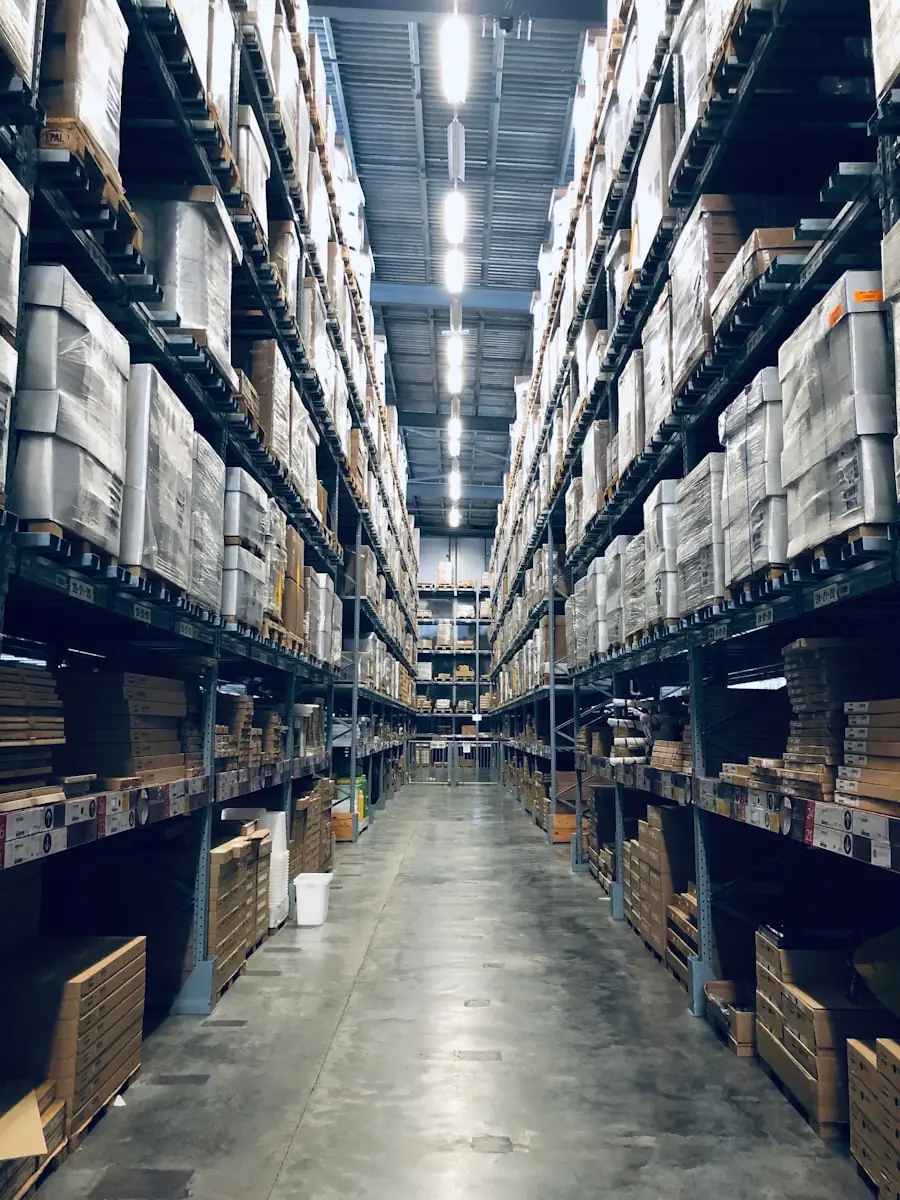
Multi-warehouse stock, dealer price lists, back-orders and e-way bills raised at despatch, for businesses moving product across state borders and into the Gulf.
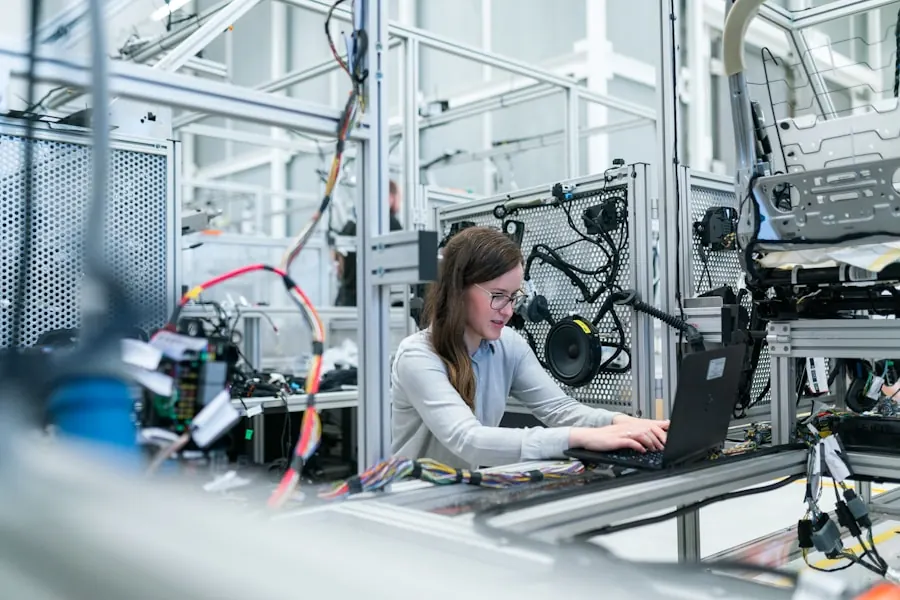
Bills of materials, job work challans, work orders, quality checks and landed costs, with the shop floor on shared tablets and the accountant on the same ledger, from Ludhiana to Coimbatore.

Grower payments against weighbridge slips, batch and lot traceability, seasonal cash flow and yield reporting. A sugar mill remains the largest ERP rollout we have delivered.
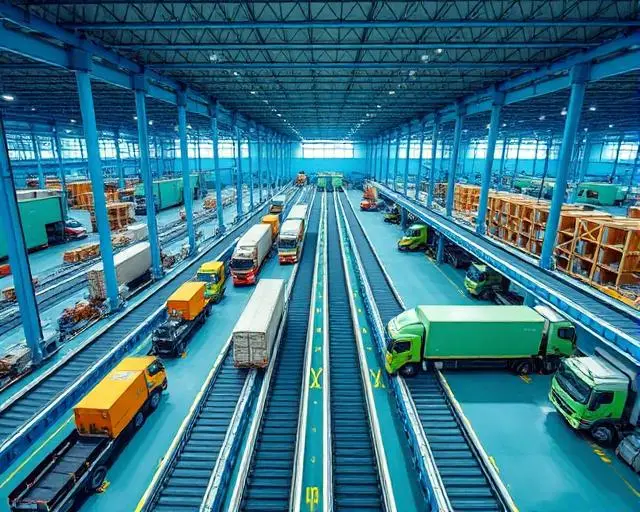
Jobs, fleet, timesheets and invoicing in one system, so the office knows what the driver knows before the customer rings to ask.

Odoo POS in store, Shopify, ONDC or Odoo eCommerce online, one stock position and one set of GST-inclusive prices across all of them.
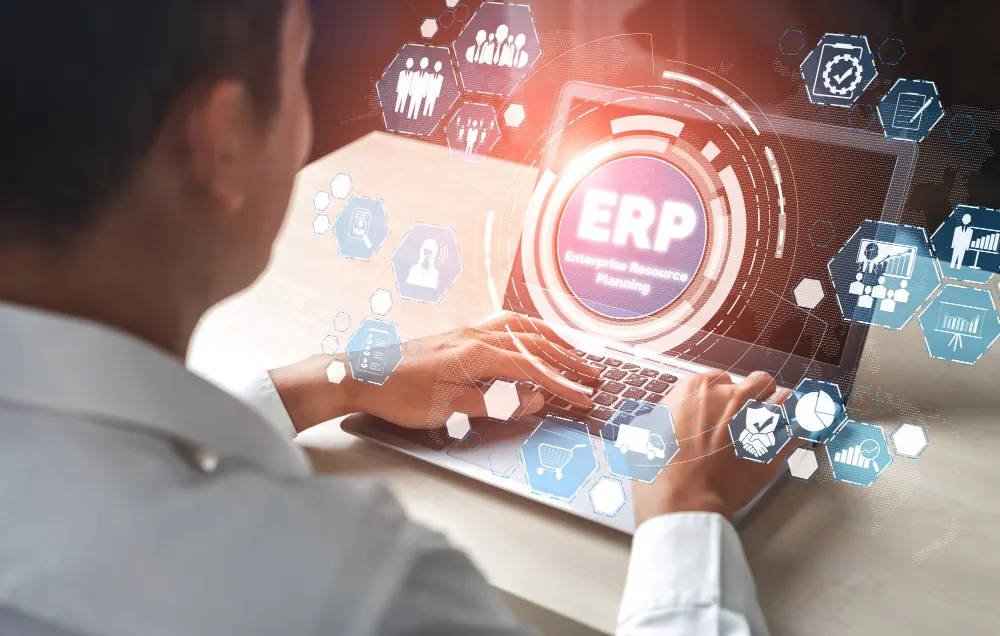
Forecasting built on your own season-by-season sales history, scanned supplier invoices read straight into Accounting, and a CRM copilot, all shipped as native modules that survive the next upgrade.
Round rupee figures so you can budget before the first call. The precise number goes in writing after scoping and only moves if the scope moves. Odoo bills its own licensing separately. Our migration guide and ERP comparison break the decisions down.
CRM, sales and invoicing, or one operational module, for a team that wants Odoo working before the next quarter closes.
Accounting, stock, sales and purchasing on one ledger, replacing Tally plus the four spreadsheets that grew around it.
Multi-GSTIN, manufacturing or integration-heavy rollouts, where the ERP effectively runs the business.
A CRM-only project sits at ₹2,00,000 to ₹6,00,000 depending on how complicated the pipeline is. Indian Odoo firms typically bill ₹1,800 to ₹3,500 an hour on time and materials; we quote a fixed figure instead. Every custom module and its source belongs to you, and it stays installed if you ever move on from us.
Five stages, each ending in something you can log into and check for yourself. The first costs nothing, and the fourth is the one most Odoo projects in India skip.
Half an hour on how you trade today, where the friction actually is, and whether Odoo is genuinely the right answer. You leave with a written scope and a fixed rupee price.
We map quote to cash and purchase to pay, separate what Odoo already does from what has to be configured or built, and sign the chart of accounts off with your CA before anyone writes code.
Localisation first, then modules, then custom work, then your Tally data, in weekly sprints you can log into and test against real transactions of your own.
A GST return you have already filed is re-run through Odoo and reconciled to the rupee. Your team runs both systems side by side for two weeks and signs off before Tally is switched off.
Go-live on the date we agreed, training on the floor for each role, and a named engineer on IST through your first GSTR-1 out of Odoo and through March close.
One Odoo instance runs cane procurement, the weighbridge, grower payments, production yields and finance for a mill that crushes 7,000 tonnes of cane a day. A seasonal, multi-site agribusiness at that scale is the closest thing we have to what an Enterprise-tier rollout looks like for an Indian manufacturer.

“Implementing an ERP across our sugar manufacturing operations felt daunting at first, but Appther made the transition seamless. Every department now works off a single source of truth.”

“Appther exceeded every expectation, on time and on budget, and the final product has been instrumental in scaling our business. A rare engineering partner.”

“Building a mental health app means every detail has to be handled with care, and Appther got that from day one. The product feels warm, simple, and genuinely helpful.”
Tally, Busy and Zoho Books are good at what they do. The trouble starts when stock, job work or production have to live somewhere else and get reconciled by hand every month. NetSuite and Dynamics solve that at a price most mid-sized Indian businesses will not pay.
| What you need | Tally / Busy / Zoho Books | Odoo | NetSuite / Dynamics |
|---|---|---|---|
| GST, e-invoicing and payroll | Native GST; payroll via an add-on | Native via Indian localisation, configured by us | Via localisation, partner-configured |
| Stock, warehousing, barcode | Basic, or a separate application | Full WMS, multi-warehouse, lots and serials | Full, at additional module cost |
| Manufacturing and BoMs | A separate application | MRP, work orders, quality, maintenance | Advanced manufacturing module |
| CRM, eCommerce, POS, projects | Separate subscriptions each | Same database, one login | Add-on suites |
| Custom workflows | Limited to what the package allows | Open source; custom modules in Python | Scripting or extensions, partner-dependent |
| Licence cost per user | Low, per organisation | Free on Community, or roughly ₹1,800 to ₹3,000 per user per month on Enterprise | Well over ₹8,000 per user per month |
| Typical implementation | Days, self-serve | ₹3L to ₹75L+, 4 to 32 weeks | ₹60L upwards, 6 to 12 months |
| Best fit | Service businesses under about 20 people | Product, project and production businesses from 10 to 500 people | Large multinational groups |
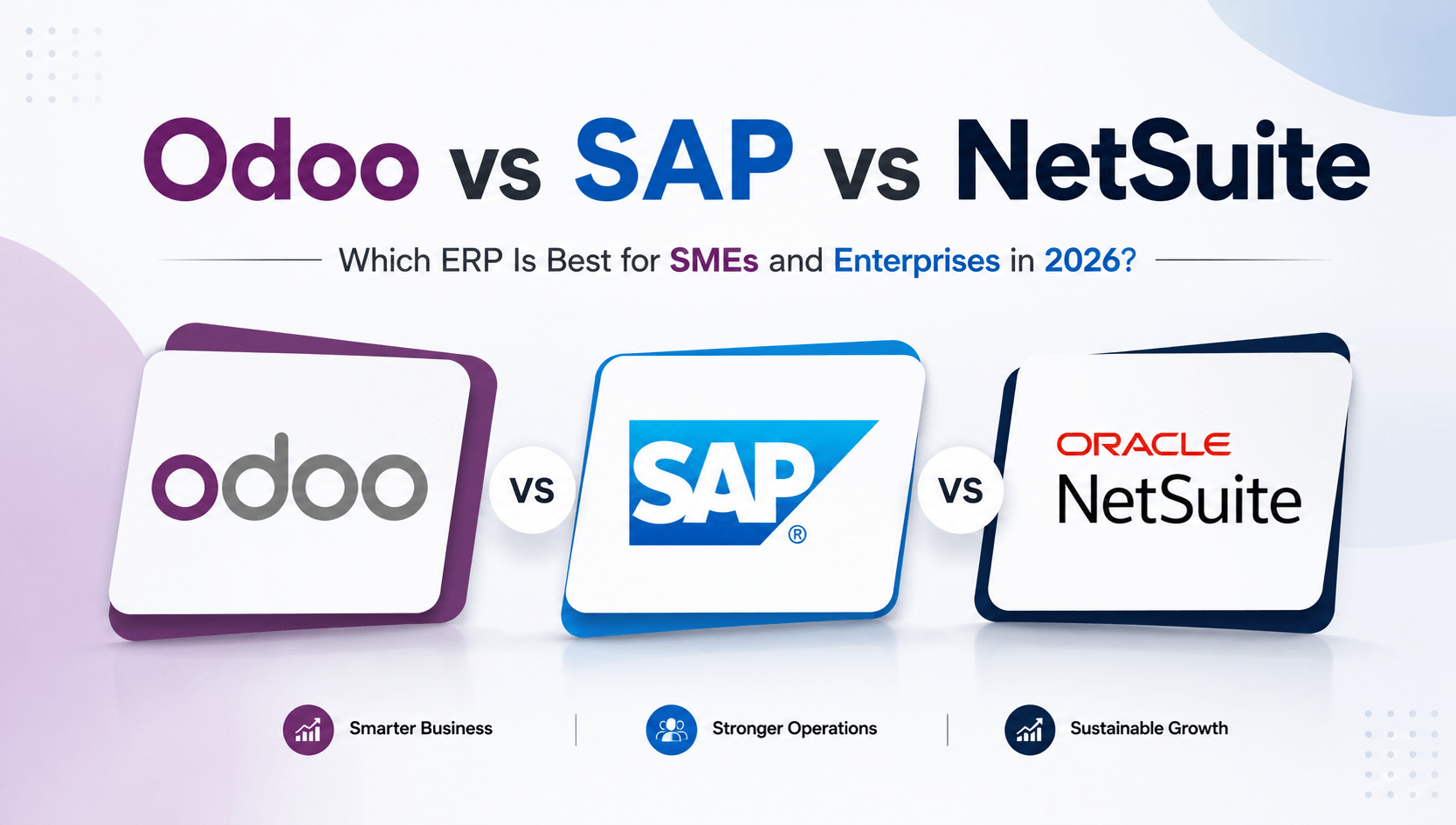
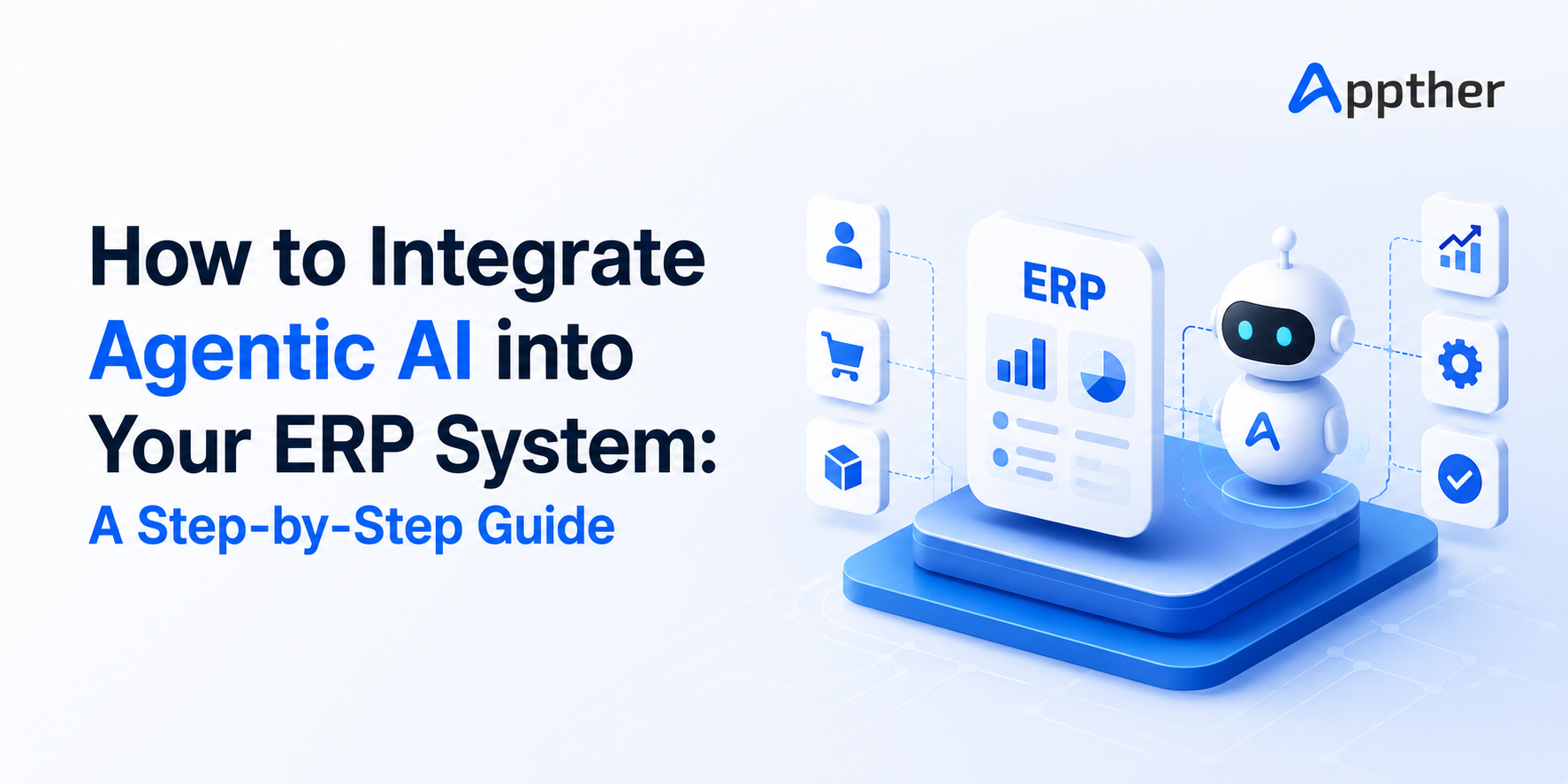
Migration, ERP comparison and agentic AI, with the questions Indian finance teams actually ask.
How to plan and de-risk an Odoo upgrade, with the checklist we run before every cut-over.
Where each platform fits, what it really costs and when Odoo is the wrong choice.
Where agents take work off an ERP queue, and where a person should still approve.
One call gives you a straight answer on whether Odoo fits, which modules you actually need, a fixed rupee price and a go-live date. If another system suits you better, you will hear that from us first.
Tell us what you run today and what is breaking. You will get a straight answer on fit, a fixed rupee price and a date, or a recommendation to look elsewhere if Odoo is not the right tool.
Starred fields are required. You will hear back within one Indian business day.